
The Great Compute Rationing
The capacity to 2030 is already consumed, and we will fight for scraps.

We have spent the last decade living in a fantasy. We treat compute like it is air. We think it is infinite. We think it is free.
It isn’t.
We are walking into a 1970s-style oil crisis, but for silicon. While you are busy writing prompts, the physical world is catching up to the digital dream. And the physical world is winning.
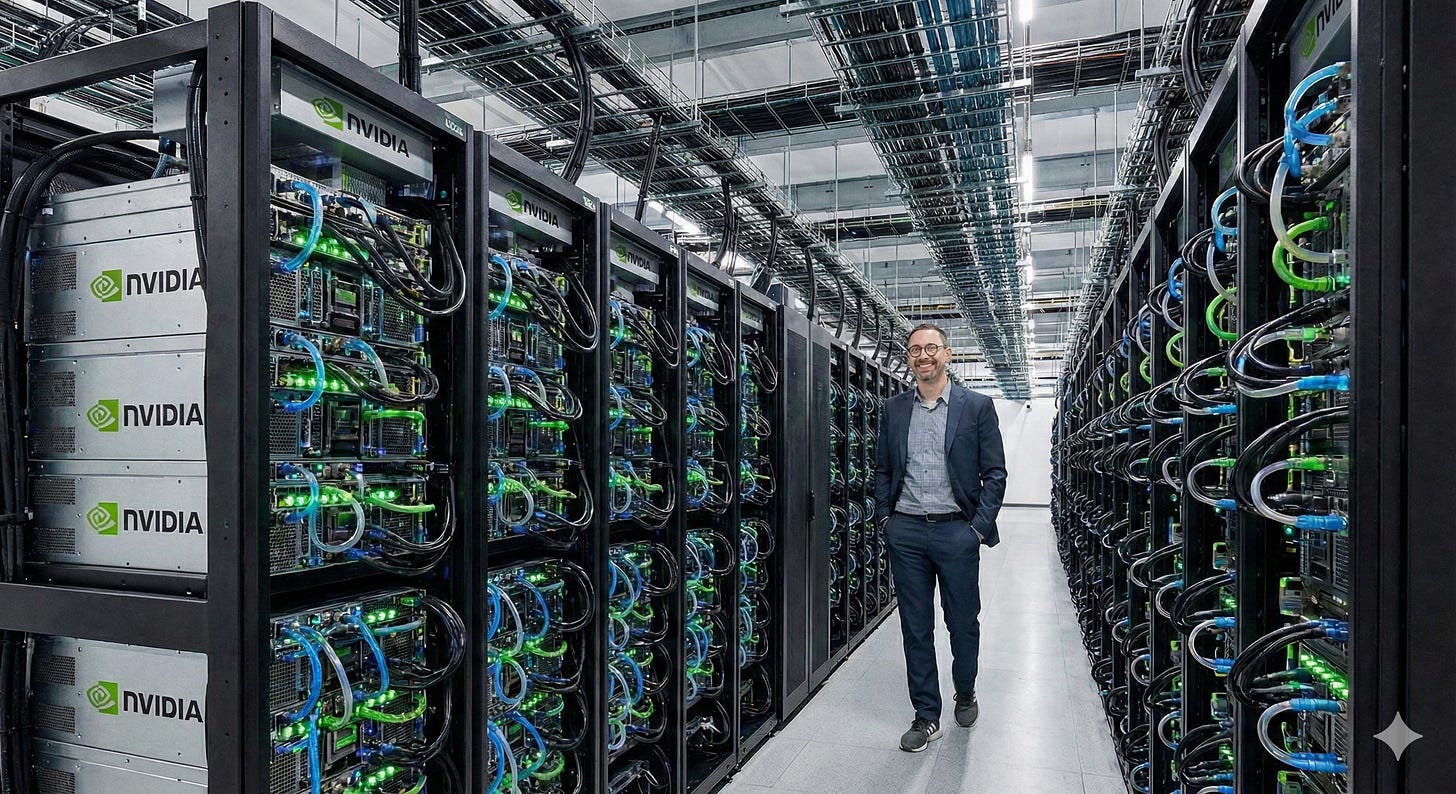
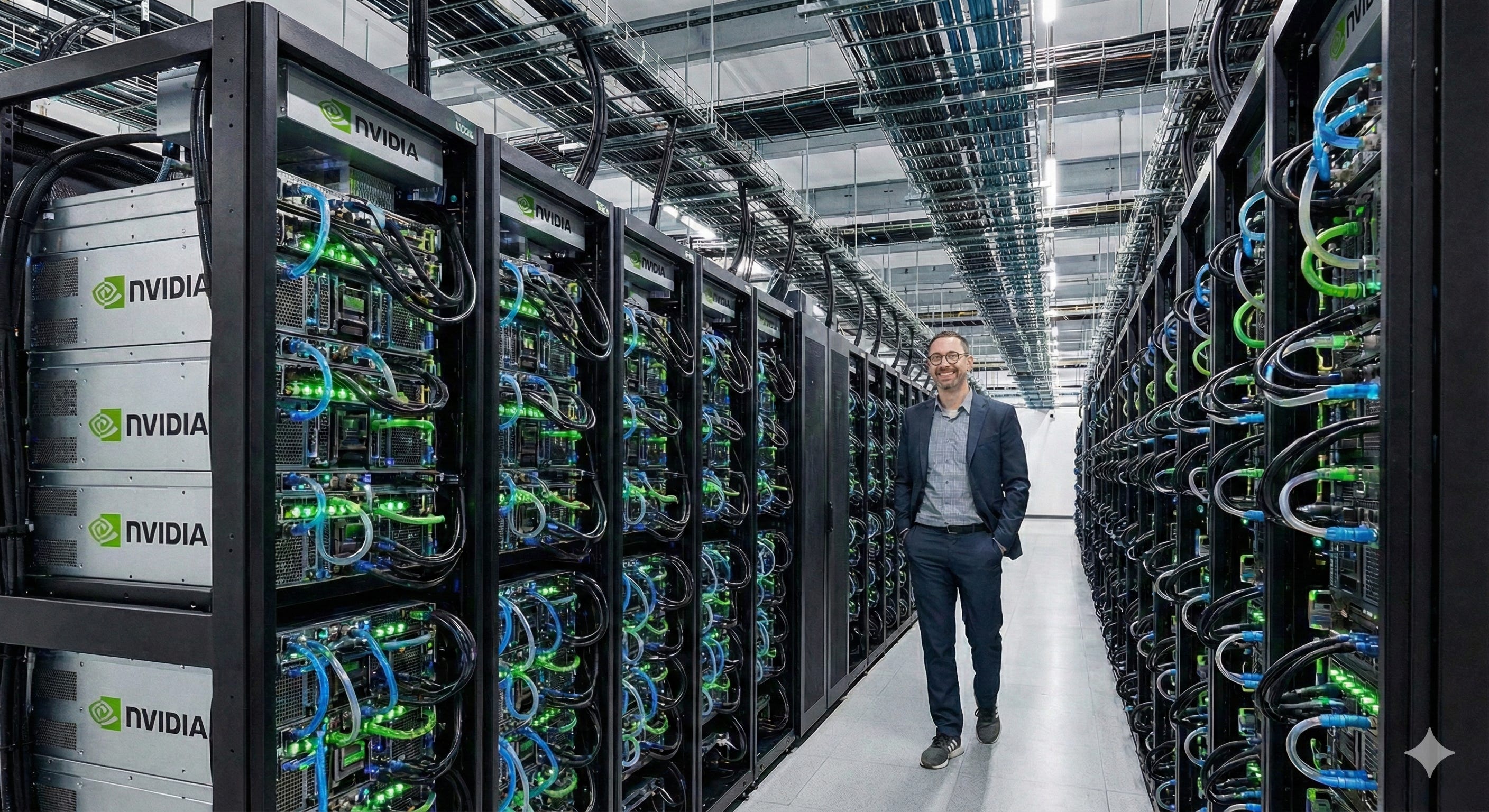
The floor is memory. You cannot manifest hardware with a “growth mindset.” High Bandwidth Memory (HBM) is hard to make. Factories take five years to build. Demand is growing exponentially. Supply is moving at the speed of pouring concrete.
The math is simple. The math is brutal. And the math says you are about to get evicted.
The Super Bowl Reality Check
I spent my last few weekends building. I was deep in the zone. I thought I had found a real gap in the market. I built a SaaS workflow that actually solved a problem. I felt like an innovator.
Then came the Super Bowl.
Between the plays, Google ran a Gemini ad. In 30 seconds, they demoed the exact thing I just spent my life’s energy building.
That is the new reality. The Big Three aren’t just selling you the shovel; they are digging your hole. They are competing for all the business. They have the chips. They have the data centers. They have the capital.
If your “product” is just a wrapper around their API, you are paying rent to your executioner.
The Notion Warning
Notion recently reported that AI tokens now account for 10% of their costs.
Read that again. 10%.
That number only goes one way: Up. This is the “Compute Tax.” Right now, the Big Three are buying every GPU they can find. They are locking the doors from the inside. Next, the Fortune 50 will sign ten-year contracts to secure the remaining capacity.
Where does that leave you?
If you are a startup or a standard SMB, you are left with the scraps. We are entering an era of “Digital Feudalism.” The giants own the land (the compute). You are just a serf working the fields, hoping they don’t raise the rent. When the shortage hits, who do you think gets throttled first? It won’t be Microsoft. It will be you.
The Hardware Trap
Some leaders think they can outsmart this. They say, “We will just buy our own hardware. We will go on-prem.”
This is a suicide mission.
Your workload is growing faster than your ability to rack servers. In two years, the H100s you bought today will be paperweights. You cannot out-buy the exponential curve of AI demand. You will run out of power, cooling, and capital before you ever catch up.
You cannot own the hardware. You cannot afford the cloud. The walls are closing in.
Leadership: Stop the Gluttony
So, what is the job? The job is efficiency.
Right now, corporate AI is a glutton. We are drunk on compute.
Does every employee need a seat?
Do we really need a trillion-parameter model to help a Junior PM write an email that says, “Sounds good, thanks”?
Does this feature actually move the needle, or is it just a “nice to have”?
Using Opus 4.6 to summarize a calendar invite is like taking a space shuttle to the grocery store. It is expensive, it is slow, and it is wasteful.
Stop subsidizing curiosity. Start demanding outcomes. If a feature doesn’t create a massive market differentiator or a direct bottom-line impact, kill it. Protect your margins.
The era of cheap, infinite compute is over. The rationing is coming.
The Monday Morning Fix
The “So What?” Test: Look at your product roadmap. If Google or Microsoft adds that feature to their sidebar tomorrow, does your company die? If yes, pivot immediately.
Downgrade Your Models: Stop using the “Smartest” model for everything. Move 80% of your workload to smaller, cheaper, faster models (SLMs).
Audit the Seats: Check your AI license usage. If an employee hasn’t generated a prompt in 7 days, revoke the seat.
Nice post. Something everyone should be thinking about.